Written Scope
Ask for the square-foot price, sanding passes, filler work, stain, finish coats, dust containment, cleanup, and exclusions in writing.
Phoenix Expert Flooring explains the questions Phoenix homeowners should ask before refinishing hardwood floors because sanding scope, dust control, finish chemistry, and cure time can change the price and disruption. A clear written scope makes it easier to compare contractors and avoid surprises once sanding begins.
Ask for the square-foot price, sanding passes, filler work, stain, finish coats, dust containment, cleanup, and exclusions in writing.
Confirm whether cupping, boards worn past the tongue, moisture, or a thin engineered wear layer calls for repair or replacement instead of sanding.
Compare water-based and oil-based polyurethane for color, VOC level, traffic, pet safety, dry time, and the household's move-back schedule.
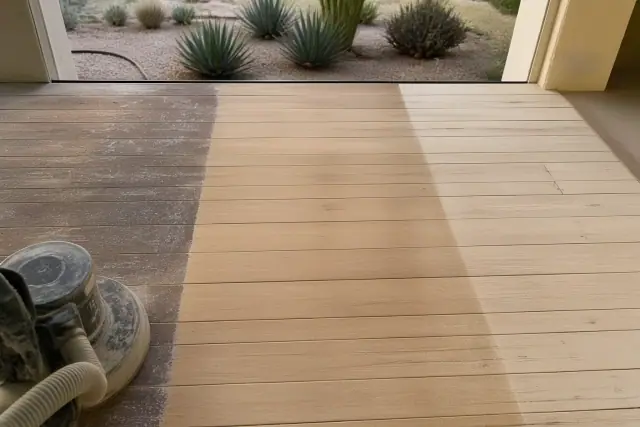
Each sanding stage removing finish, leveling the wood, and preparing it for stain or a clear coat. Skipped stages can leave swirl marks and uneven color.
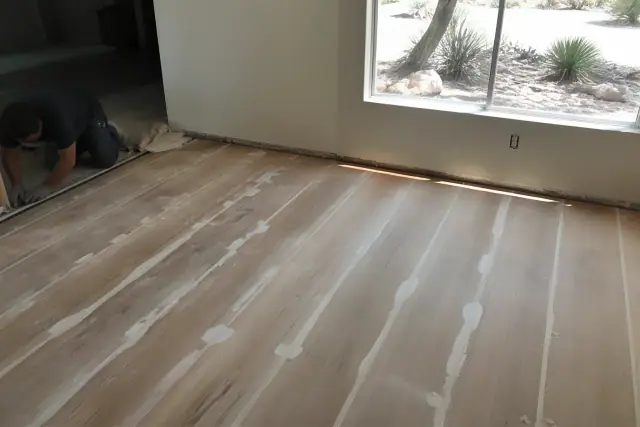
Gaps in older Arcadia or Encanto floors and how latex or solvent-based wood filler treats them. The gap size should guide the filler choice and written scope.
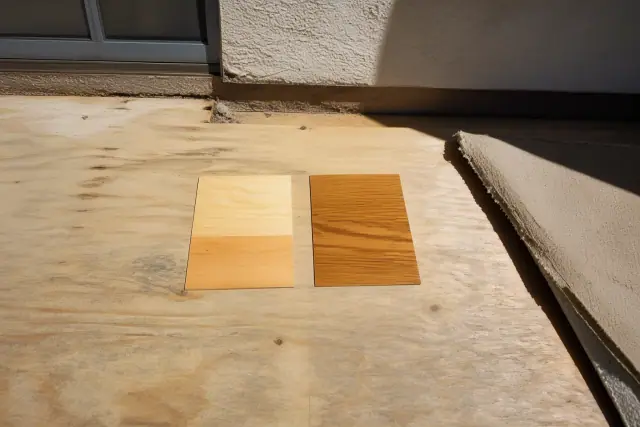
Both finishes on actual red oak, white oak, or maple rather than a swatch card. Phoenix's bright daylight can make the same stain read differently after dark.
An average room typically totals $1,099 to $2,660, averaging around $1,879. A 1,000-square-foot home usually falls between $3,000 and $8,000 once sanding, staining, and multiple coats are included.
Most jobs need three passes: coarse to strip the old finish, medium to level the wood, and fine to prepare for stain and finish.
Most Phoenix-area residential jobs take two to four days. A single room usually takes one to two days, while whole-house work runs four to five days including dry time.
Lift furniture into place after about 48 hours and use felt pads; never drag it. Wait one to two weeks for heavy pieces such as pianos and a full week before replacing area rugs.
| Question to Ask | A Clear Answer Should Cover | Why It Matters |
|---|---|---|
| What is included in the price? | Square-foot pricing, sanding sequence, filler, stain, finish coats, cleanup, and exclusions. | It makes written quotes easier to compare line by line. |
| How will you control dust? | Containment methods and sanding equipment connected to HEPA-filtered vacuums. | Dust can otherwise reach furniture, vents, and adjoining rooms. |
| Which finish fits this floor? | Color, VOC level, traffic, pet safety, dry time, and long-term appearance. | Water-based and oil-based polyurethane behave differently. |
| Can this floor be refinished? | Moisture, cupping, wear above the tongue, and engineered or solid construction. | Some boards need repair or replacement before finishing. |
| What experience can you show? | Registration, insurance, hardwood-specific work, photos, and callback terms. | Proof and a written scope are more useful than a vague promise. |
Ask for three written quotes and compare the price, preparation, sanding sequence, wall-to-wall filler, stain, number of finish coats, dust containment, and cleanup line by line. Confirm whether baseboard removal, closets, and stair treads are included or priced separately. Request before-and-after photos, a schedule, and written terms explaining what happens if the cured finish develops tackiness, bubbling, or uneven sheen.
Wood species, current damage, moisture, remaining wear layer, and whether the floor is engineered or solid all affect the sanding plan. Oil-based polyurethane ambers over time and needs roughly 24 hours between coats, while water-based polyurethane dries clear, cures faster in Arizona's low humidity, and has lower VOC levels. Oil-based finish can suit high-traffic applications, while water-based finish is a common choice when scratch resistance, pets, and a clear appearance matter. Choosing stain adds a full day for drying, and red oak, white oak, and maple should be tested on the actual wood because they absorb color differently.
Can the floor be refinished instead of replaced? That depends on cupping, moisture, remaining wood above the tongue, and the wear layer on engineered hardwood. How should dust be controlled? Ask whether sanding equipment connects to HEPA-filtered vacuums and how vents and adjoining rooms will be protected. What credentials matter? Confirm registration with the Arizona Registrar of Contractors, active liability and workers' compensation coverage, hardwood-specific experience, and any training tied to National Wood Flooring Association sanding, finishing, and moisture-testing practices.
Share the floor type, room size, current damage, existing finish, and desired color. A local flooring professional can help determine whether refinishing, repair, or replacement makes sense and outline a written scope.